AGP Executive Report
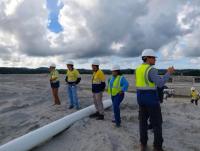
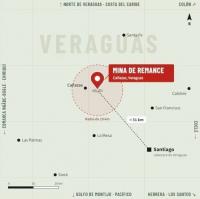
Last update: 9 hours agoSevere Weather: Sinaproc extended its nationwide alert through Oct. 21 as heavy rain, thunderstorms and wind raise flash-flood and landslide risks, especially in Chiriquí, Bocas del Toro and Ngäbe-Buglé. Earthquake Aftermath: Authorities are monitoring landslide risks at the abandoned Remance mine and checking water safety; MICI reported no damage at Cobre Panamá’s inspected tailings facility. Wildlife Recovery: Panamanian golden frogs have been returned to the wild after a deadly fungus drove them from their habitat. Bocas del Toro: Environmental compliance concerns have been raised over the NaturaBocas development.
Note: AI summary from news headlines; neutral sources weighted more to help reduce bias in the result. Feedback is welcome. Please let us know if you have any comments or suggestions about the AGP Executive Report.

 Perspectify News